オージーピーナッツを食べてみた感想【ミツヤ】

くむろぐをご訪問いただきありがとうございます。
今回ですね、広島の老舗豆菓子メーカー、ミツヤさんのピーナッツを食べてみました。
それも「オージーピーナッツ」というなかなか珍しいピーナッツです。
今まで食べたことあります?
ピーナッツ(落花生)と言えば、中国産や日本だと千葉産をよく見かけますよね。
でもこちらはオーストラリア産のピーナッツなんです。
実はピーナッツはカテゴリー的にはナッツではなく、豆なんだとか。
なんだか非常にややこしいですが早速参りましょう!
オージーピーナッツって何?
オージーピーナッツとは、オーストラリア産のピーナッツを使用したナッツのような食感の落花生。
オレイン酸を多く含んだオーストラリア産の「ハイオレ」落花生を使用し、海洋深層水塩「天海の塩」を加えています。
スペック的には78gの袋に入っており、1袋あたり482Kcalのエネルギーがあります。
おやつ以外でも山登りやトレッキング、お散歩のお供にとても良さげですね。
オージーピーナッツは株式会社ミツヤさんのオリジナル商品となっており、お近くのスーパーやコンビニにもしなければ、公式オンラインショップやamazonで確実に購入することができます!
他社さんではほぼ無く、ミツヤさんの独占商品のようですね。
ミツヤさんの公式ショップサイトでは、他にも美味しくて止まらなくなる豆やナッツ商品がもりだくさん!
人気商品や新商品は売り切れることもあるので、マメにチェックして下さいね!豆だけに←
ミツヤ公式オンラインショップはこちら

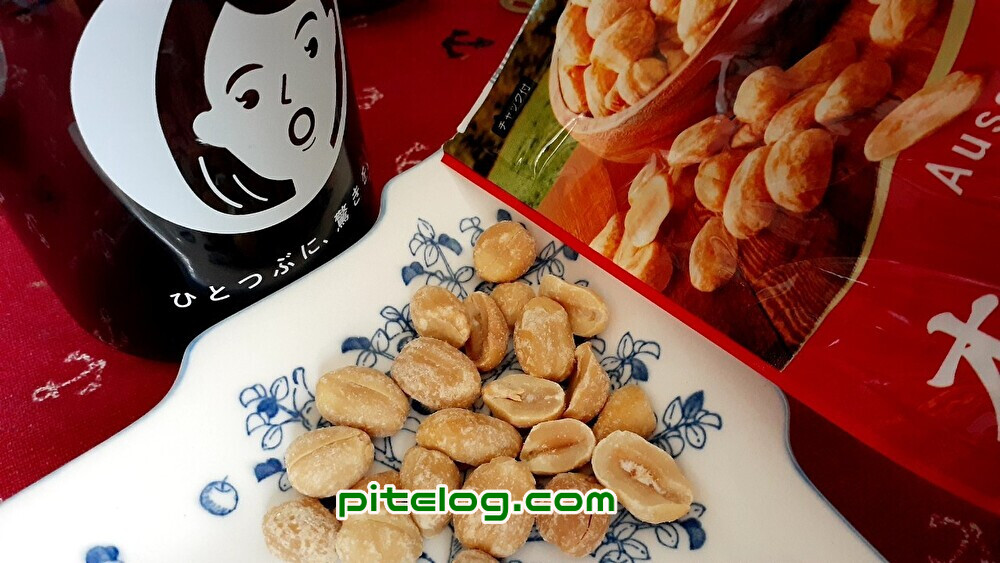
↑写真の左上にあるのは、非売品のミツヤ限定ナッツボトルです
♱⋰ ⋱✮⋰ ⋱♱⋰ ⋱✮⋰ ⋱♱⋰ ⋱✮⋰ ⋱♱⋰⋱✮⋰⋱
ピーナッツとオージーピーナッツの違いは?
一般的な中国産のピーナッツと食べ比べてみました。
今回比較したのは、業務スーパーでゲットした素焼きの殻をむいた皮付きピーナッツです。
できればミツヤさんのバタピーと比べたかったのですが、
先にそれを開封していた関係で、おいしすぎて「とっとく(残しておく)」という抑制が効かずバタピーをぜんぶ食べてしまったんです。ごめんなさい。
さて食感は、皮の有無もあるのかもですが、オージーピーナッツの方がソフトで繊細に感じました。
そしてオージーピーナッツは、こだわりの塩で味付けされた程よい塩味がクセになる美味しさです。
形はちょっとデコボコ感があり、オーストラリア中央部にある世界遺産の一枚岩、エアーズロック(ウルル)を思わせるようなピーナッツですね。
なので我が家では勝手に「ウルルちゃん」と呼んでいます。(?)
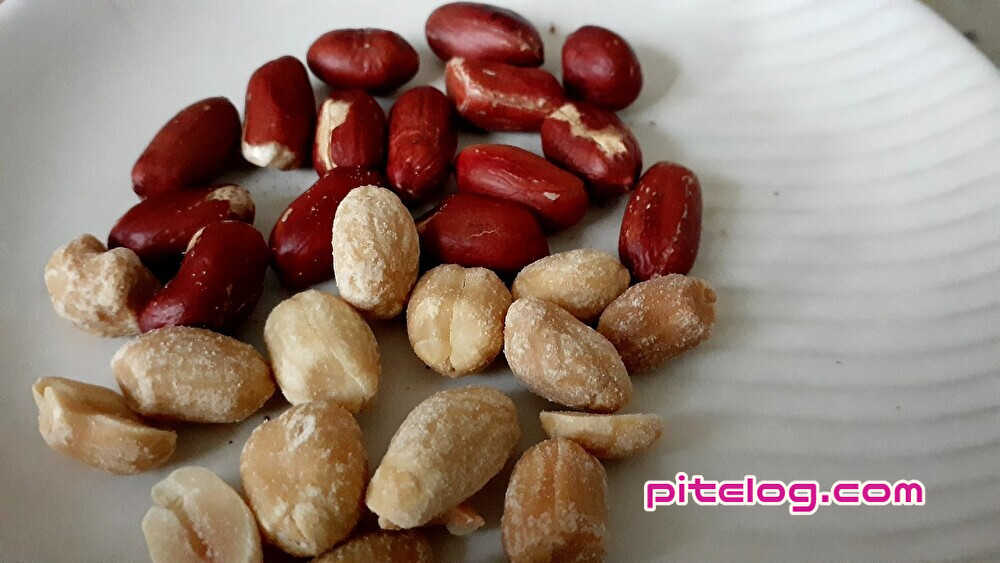
↑手前がミツヤさんのオージーピーナッツ、奥が業務スーパーのピーナッツ
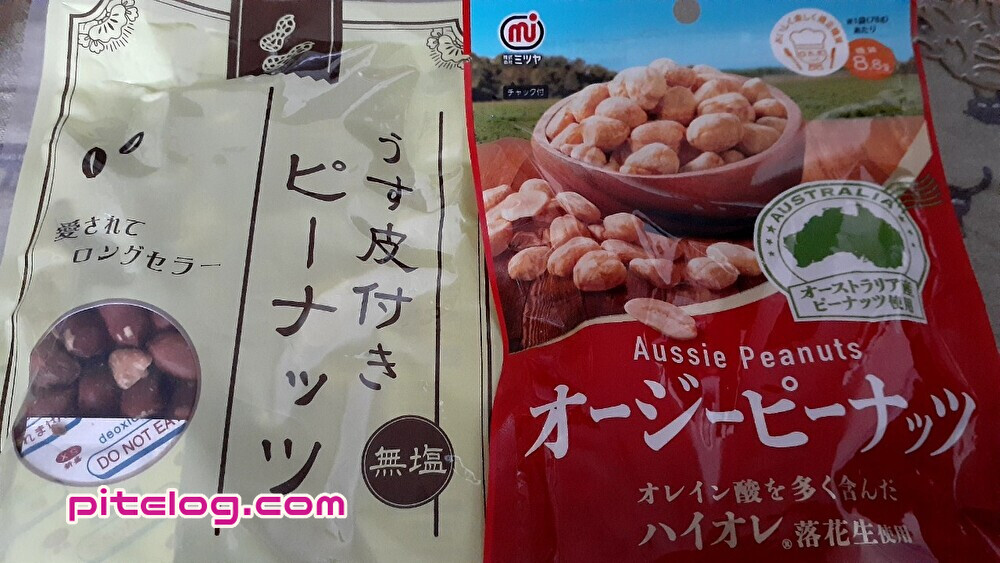
↑パッケージはこんな感じ
まとめ
とにかく、理屈抜きに美味しいオージーピーナッツでした。
ぜひ一度食べてみてくださいね。
一日一善、一日一ピーナッツ!
♱⋰ ⋱✮⋰ ⋱♱⋰ ⋱✮⋰ ⋱♱⋰ ⋱✮⋰ ⋱♱⋰⋱✮⋰⋱
Thoughts on eating Aussie peanuts
What are Aussie peanuts?
Aussie peanuts are Australian peanuts with a nutty texture.
They are made from Australian ‘high oleic’ peanuts, which are high in oleic acid, and deep sea salt ‘salt from the sea of heaven’ is added.
It comes in 78 g bags and has 482 Kcal of energy per bag.
Looks like a good accompaniment for mountain climbing, trekking and walking.
It is an original product of Mitsuya Corporation and can be purchased from the official online shop and Amazon.
Aussie Peanuts vs. the Common Chinese Peanut: A Proper Comparison
Now then. What, exactly, separates an Australian peanut from your bog-standard, everyday Chinese peanut? This is a question that has occupied rather more of my evening than I’d care to admit, and I’ve gone about answering it the only sensible way — by sitting down and eating both, one after the other, with the sort of studious attention usually reserved for wine tasting.
The Contenders
For this little exercise, I picked up a packet of dry-roasted, unsalted, thin-skinned peanuts from Gyomu Super — your reliable, no-nonsense, common Chinese variety. I’d rather hoped to set them against Mitsuya’s バタピー, which is something of a benchmark in these parts. Alas, I’d opened that packet first, and — here’s my confession — restraint simply deserted me. “I’ll save some for the comparison,” I told myself. I did not save some for the comparison. The whole lot was gone before I’d so much as reached for the Aussie ones. My sincerest apologies; the バタピー shall have to wait for another day.
On Texture
Right, down to business. Texture-wise — and this may owe something to the presence or absence of skin — the Australian peanut struck me as noticeably softer and altogether more delicate on the bite. There’s a gentleness to it, a sort of quiet confidence, if a peanut can be said to have such a thing. The Chinese peanut, by contrast, felt firmer, sturdier, a touch more workmanlike. Neither is wrong, mind — they’re simply different characters entirely.
On Flavour
Here’s where the two properly part company: the Chinese peanut arrives unsalted, nothing to hide behind, just an honest, roasty nuttiness on its own terms. The Australian peanut, by contrast, comes with a carefully considered seasoning of salt — not the sort that clobbers you over the head, but the sort that creeps up quietly and has you reaching for another handful before you’ve quite noticed. It’s the kind of moreish quality that undoes any good intentions about portion control rather swiftly.
On Appearance — Meet “Uluru-chan”
And then there’s the shape. The Australian peanuts have a delightfully knobbly, uneven quality to them — a bit lumpy, a bit rugged round the edges — which, rather charmingly, put me in mind of Uluru, that great monolith sitting proud in the heart of the Australian outback and one of the finest UNESCO World Heritage sites going. Once the resemblance had lodged itself in my head, there was no shifting it. So now, in our house, we’ve taken to calling them “Uluru-chan” — quite unofficially, and entirely because we can’t help ourselves.
The Verdict
So there you have it: softer and more refined versus firm and dependable; a quietly excellent salted seasoning versus the honest, unsalted roastiness of the everyday Chinese peanut. Both have their place on the table, but if it’s a touch of personality — and a passing resemblance to a national landmark — you’re after, the Aussie peanut, our Uluru-chan, wins the day.
The Mitsuya Butapii comparison remains, regrettably, unfinished business. Next time, I shall exercise considerably more self-control.
♱⋰ ⋱✮⋰ ⋱♱⋰ ⋱✮⋰ ⋱♱⋰ ⋱✮⋰ ⋱♱⋰⋱✮⋰⋱
最後までお読みいただきありがとうございました。