もし地球の未来を大切にする8人が夢洲の開発事業者に選ばれ「ミャクミャク大学」ができたら
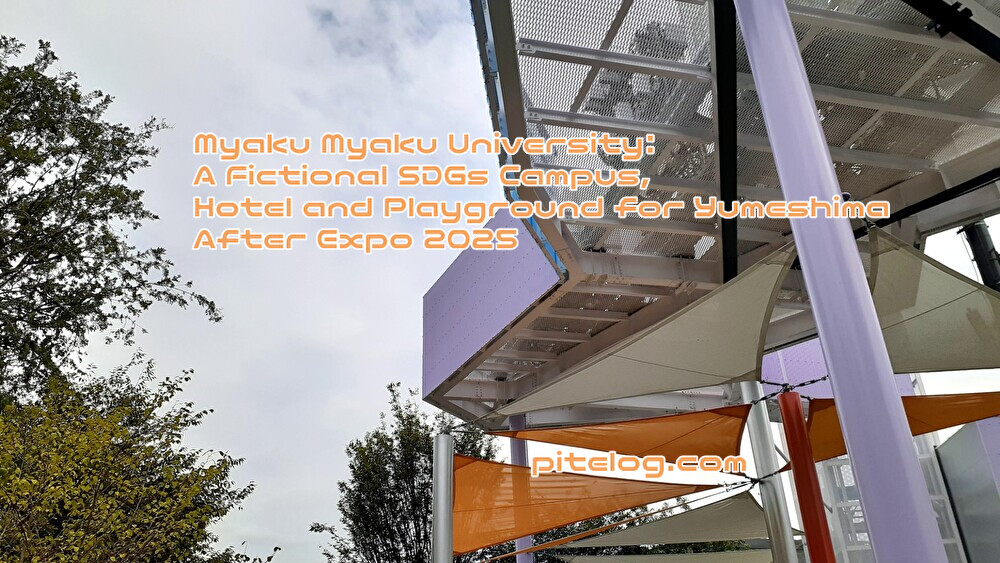
もしSDGsの達成を目指す地球上の富裕層の何人かが夢洲第2期区域(大阪ヘルスケアパビリオン跡地活用ゾーン及び記念公園ゾーンを除く。)の開発事業者公募に当選して「ミャクミャク大学」が創られたら、というフィクションBlogです。
【続編】万博は終わらない。「ミャクミャク大学」誕生の夜
◎△$♪×¥●$ $●¥×♪$△◎
そうそう、受付された提案書の山のなかに、ひとつだけ異質な束があったそうです。表紙には企業名がなく、ただ八つの個人名が並んでいた。ケイン・オルドリッジ、スザンナ・ブレイク、ジョーダン・ブンミー、ティファニー・ヒメネス、ハビエル・トーレス=ムニョス、パク・ソヨン、アミナ・ハッサン、そして日本人ひとり、小橋信一郎。国籍も業種もばらばらの八人が、なぜひとつの束になったのか、審査を担当したという初老の職員も、最後まで説明できずにいました。
わたしは一度だけ、その職員に話を聞く機会を得ました。彼はコーヒーを一口飲んでから、こう切り出しました。
“Honestly, by the time I finished reading it, I wanted to go back and read it again.”
「正直、読み終えたとき、もう一度最初から読み返したくなったのです」と彼は日本語で続けました。「ミャクミャク大学、という名前も、最初はユニークだと思っただけでしたが、中身を追ううちに、これは本気だと分かってきました」
提案書の冒頭には、こう書かれていたそうです。
この構想が、万博が掲げたSDGsの理念を、閉幕後も生き続けさせるための答えです。
ここは従来の一般的な大学ではありません。年齢も国籍も職業も問わず、老若男女、小さな子どもからお年寄りまで、誰もが学べる開かれた学びの拠点です。
学ぶ内容は三本柱でまとめられていたといいます。ひとつは、環境、エネルギー、食、医療、福祉、教育——十七のゴールすべてを、教室ではなく体験を通じて学ぶこと。もうひとつは、介護、建設、製造といった、社会の基盤を支える職業を「未来のコア産業」として位置づけ、実践的なプログラムを用意すること。そして最後に、外国人と日本人が言語の壁を越えて共に学び、行動する、多文化の実験場をつくること。
平日は、各国のパビリオンだったものを耐久性を高めて改装し、学習施設として使うのだそうです。AIとロボット技術を人間と協働させるラボ、アクアポニクスをはじめとする循環型農業の研究・実習フィールド、再生可能エネルギーを肌で学べる体験施設。そのすべてが、あの円環状の敷地に配置されていました。
各国パビリオンを彷彿とさせる芸術的な校舎と、そして海に面した一棟の低い建物——アクアポニクス施設。魚の排泄物を含んだ水が、微生物によって分解され、野菜の根に吸収され、浄化された水がまた魚のもとへ還る。その循環そのものを、研究室にするという発想だったそうです。
“It’s not just a lab,” 提案書には英語でそう書かれていたと、その職員は記憶していました。”It’s the curriculum, the cafeteria menu, and eventually, the export business. All the same system.”
一例としては、大学一年生が水質を測定し、二年生が魚の飼育記録と野菜の生育データを突き合わせて循環の効率を検証し、三年生がその魚と野菜で学食を回し、四年生になる頃には、卒業と同時に小さな会社を興して、アジア各地へ技術を輸出する。教育と研究と事業が、あの水槽の循環と同じように、一つの輪のなかで完結する仕組みだったのです。
わたしはその図面を見せてもらいました。中央に据えられた円形の水槽群は、大屋根リングの縮図のようにも見えました。担当者は、それについては何も語りませんでしたが、彼の手が一瞬、図面の上で止まったのを覚えています。
2027年2月、府市はこの提案を選びました。理由について公式な説明は多くを語っていません。ただ、ある関係者はこう漏らしたそうです。「あの記念公園に、福西さんご夫妻が巨大なミャクミャクの像を建てられました。あれを見て、この大学の話は、もう始まっていたのだと思ったのです」と。
そして週末は、国際的なクラブイベントや音楽ライブ、アート展示、各国のお祭りが開かれる場になる。学びと娯楽を分けないのだそうです。図面には、SDGsをテーマにしたホテルと、体験型のアトラクションまで描き込まれていました。宿泊客がチェックインの瞬間から、水や電力の循環を目にし、遊びながら学べるようにする、という趣旨だったといいます。
「フューチャーライフヴィレッジの、あの『ミライ未来ソーダ』のようなものを、毎日、常設でやりたいのだと、彼らは書いていました」と、その職員は言いました。「万博のあの高揚感、あの多様性、あの『未来がここにある』という感覚を、日常のなかに組み込みたいのだと」
彼は少し間を置いてから、付け加えました。
“They didn’t want to build monuments. They wanted to keep the buildings working.”
「モニュメントを建てたいのではない。あの美しい建物たちを、機能する学びの空間として生かし続けたいのだと、彼らは言っていました」
開学は2031年の予定だと聞いております。第一期生の定員は百二十名、うち半数は授業料が免除されると聞きました。わたしが最後に尋ねたのは、八人のうち、いまも夢洲に姿を見せる人がいるかということでした。彼は少し考えてから、こう答えました。
“One of them comes on Sundays. Doesn’t say much. Just checks the water.”
そう言って、彼はまたコーヒーを飲みました。それ以上、何も語りませんでした。
◎△$♪×¥●$ $●¥×♪$△◎

【おうちで手軽にアクアポニクス】

福西啓八さん
福西啓八さんは、大阪市在住の85歳の歯科医師です。
プロフィール
大阪大学に首席入学し、1965年に大阪大学歯学部を首席(楠本賞)で卒業。その後、大阪大学大学院博士課程の生化学講座で研究に従事し、大阪大学歯学博士の学位を取得しました。大阪市西区で「福西歯科口腔外科」を開業し、現在も理事長を務めています。関西でのインプラント手術の草分けの一人とされ、日本口腔インプラント学会のインプラント認定医試験に一期生で合格、同学会の理事も30年以上務めた経歴があります。
話題になった理由
2026年、妻の昭代さんとともに大阪市に計4億円を寄付したことで注目を集めました。夢洲の万博跡地にできる記念公園に、万博公式キャラクター「ミャクミャク」の像を設置してほしいという希望を寄付に添えたことが特に話題となり、横山英幸大阪市長から夫妻に感謝状が贈られています。福西さんは寄付の理由について「金を残したってしかたがございませんのでね」と語ったと報じられています。
夢洲まちづくり構想
万博閉幕後の夢洲まちづくり構想について、現時点(2026年9月)で分かっている動向です。
大阪府・大阪市は、2017年策定の「夢洲まちづくり構想」に基づき、夢洲全体を「リゾート」と「シティ」の要素を融合させた「Smart Resort City」として、国際観光拠点機能を強化する方針を掲げています。夢洲第2期区域(万博跡地)については「万博の理念を継承し、国際観光拠点形成を通じて『未来社会』を実現するまちづくり」がコンセプトです。
マスタープランの進化
第2期区域(約42〜50ヘクタール)の方針は段階的に更新されており、2025年4月にVer.1.0、2025年10月にVer.2.0、そして2026年6月19日にVer.3.0が策定されました。Ver.3.0では大屋根リングの一部(約200m)を展望台として活用し、約42万㎡の民間開発エリアにヘルスケア・ライフサイエンスやスマートシティ実証を組み合わせる構想が示されています。
開発事業者の公募が本格化
2026年に入り、跡地活用は実務段階に移行しています。
- 大阪府・大阪市は7月3日、跡地約42ヘクタールの開発を担う民間事業者の募集を開始しました。受付は2027年1月までで、府市が事業者の提案を審査後、2027年2月に開発事業者を決定する予定
- 9月14日には、売却予定の土地(約42ヘクタール)の予定価格が921億1300万円と公表
候補として挙がっている施設
まだ確定ではありませんが、サーキット場や大型アリーナの整備が有力案として挙がっており、さらに富裕層誘客を狙った別荘エリア構想も新たに出てきています。ただし関西財界にはサーキット場への反対意見もあり、曲折する可能性があります。
アクセス・IRとの関係
第2期区域とは別に、島の中核事業として2030年秋開業予定のIR(統合型リゾート)が進行中です。交通面では2025年1月にOsaka Metro中央線が夢洲まで延伸済みで、JR桜島線・京阪中之島線の延伸も検討対象となっています。
❁.。.:*:.。.✽.。.:*:.。.❁.。.:*:.。.✽.。.:*:.。.
【アクアポニクス】おうちでアクアリウム水耕栽培
Myaku Myaku University: A Fictional SDGs Campus, Hotel and Playground for Yumeshima After Expo 2025
Among the great heap of proposals, there was said to be one bundle that didn’t sit quite right among the rest.
No company name graced its cover — only eight, set down plain as you like: Kane Aldridge, Susannah Blake, Jordan Bunmi, Tiffany Jiménez, Javier Torres-Muñoz, Park So-yeon, Amina Hassan, and, from Japan, one Shin’ichirō Kobashi.
Different countries, different trades, the lot of them — and even the old fellow who’d sat on the review panel couldn’t rightly say how the eight had come to be bound together.
I had the chance, once, to sit with that same reviewer. He took a mouthful of his coffee before he began.
“Honestly, by the time I finished reading it, I wanted to go back and read it again.”
He said as much again in Japanese, for good measure. “That name — Myaku Myaku University — struck me as unique enough at first glance. But the further in I got, the plainer it became: they meant every word of it.”
The proposal’s opening page, as he recalled it, read something like this:
This is our answer to keeping the SDGs alive, past the closing of the gates.
This will not be a university in the ordinary sense. No matter your age, your country, or your trade — child or elder alike — this is a place built for anyone who wishes to learn.
The learning itself, he said, stood on three legs. First, the seventeen goals — environment, energy, food, health, welfare, education, the lot — taught not from a textbook but through the doing of it.
Second, a proper reckoning of the trades that keep a society standing: care work, construction, manufacturing, reframed here as the industries the future would actually run on, with the training to match.
And third, a place where Japanese and foreign students alike would work past the language between them, side by side — a working ground for ideas and craft from every direction at once.
Weekdays, the old pavilions — reinforced now, made to last — would serve as the teaching halls. There’d be a lab where AI and robotics worked alongside human hands, a field for circular farming with aquaponics at its heart, and somewhere to feel renewable energy for yourself rather than read about it. All of it set round that same great ring.
Handsome buildings, done up to recall the old national pavilions — and, facing the sea, one low structure that stood apart: the aquaponics house. Water carrying the fish’s own waste, broken down by microbes, taken up by the roots of the vegetables, and returned clean to the fish once more. That circuit, and nothing grander, was to be the laboratory itself.
“It’s not just a lab,” the proposal read, in the reviewer’s own words. “It’s the curriculum, the cafeteria menu, and eventually, the export business. All the same system.”
So it went: first-years testing the water, second-years setting the fish records against the growth data to see how well the circuit was truly running, third-years keeping the canteen fed off what they’d raised, and by the fourth year — a small company of one’s own, set up on the way out the door, sending the technique off to every corner of Asia. Teaching, research, and trade, closing round on themselves the same way the water in that tank always came back to where it started.
I was shown the drawings myself. That ring of circular tanks at the centre could have passed for a small model of the great roof-ring itself. The official said nothing about that particular likeness — but his hand, I noticed, paused a moment too long over the page.
In February of 2027, the prefecture and city settled on the proposal. No great explanation was given as to why. One person close to the matter, though, let slip that the Fukunishis had lately raised their great statue of Myaku Myaku at the memorial park — and that seeing it, he’d understood the university had already begun, in its way, some time before.
Weekends were a different matter entirely: club nights brought in from abroad, live music, exhibitions, festivals of every nation, one after another. Learning and pleasure were never meant to sit apart here. The drawings even showed a hotel built round the SDGs theme, and attractions to match — guests meant to see the water and the power turning over from the moment they checked in, learning without quite noticing they were at it.
“They wanted the sort of thing they’d had at the Future Life Village — that ‘Mirai Soda’ business — running every day, permanent,” the reviewer told me. “That lift you got from the Expo, all that variety, that sense the future had already arrived — they wanted it folded into the ordinary run of things.”
He paused, then added one thing more.
“They didn’t want to build monuments. They wanted to keep the buildings working.”
The doors are meant to open in 2031, or so I’m told. A hundred and twenty in the first intake, half of them with their fees waived outright. The last thing I asked him was whether any of the eight still came round to the island these days. He thought on it a while before answering.
“One of them comes on Sundays. Doesn’t say much. Just checks the water.”
With that, he took up his coffee again, and said no more.
Summary(結び)
Eight of them, no company name, no hint who tied ‘em all together — Kane Aldridge, Susannah Blake, Jordan Bunmi, Tiffany Jiménez, Javier Torres-Muñoz, Park So-yeon, Amina Hassan, and Shin’ichirō Kohashi out of Japan. No casino, no big hotel in the usual sense — well, there is a hotel, but it’s SDGs-themed, all rides and attractions built round teaching you the water cycle without you clocking it. Weekdays it’s the old pavilions turned proper labs, AI and robotics, aquaponics running the whole show — fish feed the veg, veg clean the water, water goes back to the fish, and that same loop’s meant to be the curriculum, the canteen, and eventually the export business too. Weekends it’s clubs, gigs, festivals from everywhere at once — same buzz as the Expo had, just kept going. Council picked ‘em Feb ’27, doors open 2031. And one of the eight still comes down Sundays. Doesn’t say much. Just checks the water.