Karukan and Japanese Green Tea: Discover Kagoshima’s Gentle Wagashi Culture
When people think of Japanese sweets, many imagine mochi, dorayaki, or matcha desserts from Kyoto.
But far to the south, in the land of volcanoes, samurai history, and subtropical skies, there is a hidden treasure from Kagoshima that quietly wins hearts.
Its name is Karukan (軽羹).
Soft. Gentle. Elegant.
Almost like eating a sweet cloud.
If Tokyo is neon,
Karukan is rain on stone.
If Osaka is lively jazz,
Karukan is a calm Sunday morning record spinning softly somewhere.
What Exactly Is Karukan?
かるかん(軽羹) is a traditional Japanese wagashi (和菓子) from Kagoshima Prefecture in southern Japan.
Unlike many Japanese sweets made mainly from sticky rice, karukan is created using:
- Japanese yam (山芋 / yam paste)
- Rice flour
- Sugar
The result is something wonderfully unique:
✨ Fluffy yet moist
✨ Delicately sweet
✨ Light enough to enjoy with tea without overwhelming the palate
Many first-time visitors are surprised because it feels somewhere between:
- sponge cake
- steamed bread
- and traditional wagashi
Yet it remains unmistakably Japanese.
Why Foreign Visitors Often Love It
For people new to Japanese sweets, some wagashi can feel very unfamiliar at first — especially intensely sweet bean pastes or chewy textures.
Karukan is different.
It acts almost like a “gateway wagashi.”
Its soft texture and subtle sweetness feel approachable even for people who usually prefer Western desserts.
Imagine sitting in a quiet Japanese room while rain falls outside, holding warm tea in both hands, and tasting something that feels gentle rather than flashy.
That is the spirit of karukan.
The Tea Pairing That Changes Everything 🍵
Karukan becomes magical when paired with Japanese tea.
Especially:
- Sencha (煎茶)
- Hojicha (ほうじ茶)
- Light matcha
The slightly earthy bitterness of the tea balances the sweetness beautifully.
Recommended Pairing
| Karukan Style | Tea Pairing |
|---|---|
| Plain white karukan | Sencha |
| Sweet bean-filled karukan | Hojicha |
| Modern flavored karukan | Matcha |
In Japan, sweets and tea are not separate experiences.
They complete each other.
Almost like music and silence.
A Sweet Born from Samurai Culture
Kagoshima was once the powerful domain of the Shimazu clan, one of Japan’s great samurai families.
During the Edo period, refined sweets became symbols of hospitality and sophistication.
Karukan emerged from this cultural world:
quiet elegance instead of extravagance.
Even today, many Japanese people associate Kagoshima wagashi with:
- sincerity
- craftsmanship
- calm hospitality
You can still feel that atmosphere when eating karukan slowly with tea.
The Beauty of “Not Too Much”
One thing many travelers notice in Japan is this:
Japanese culture often values restraint more than excess.
Karukan reflects this perfectly.
It is:
- not overly sweet
- not visually loud
- not heavy
Its beauty lives in subtlety.
And perhaps that is why it feels so memorable.
Where to Try It in Japan
If you visit Kagoshima, you can find freshly made karukan in traditional confectionery shops near:
- Kagoshima-Chuo Station
- Tenmonkan district
- Historical samurai areas
Many shops still steam karukan using traditional methods.
The aroma alone is unforgettable.
Some modern cafés now even pair karukan with specialty teas for international visitors curious about Japanese culture.
Final Thoughts: A Small Sweet with a Big Story
In a world full of oversized desserts and extreme flavors, karukan feels refreshingly quiet.
It does not try to impress you instantly.
Instead, it slowly invites you into another rhythm of life:
slower tea,
calmer conversation,
deeper appreciation.
If Kyoto is the elegant face of Japanese sweets,
then Kagoshima’s karukan may be its gentle heart.
So next time you visit Japan, skip the famous snacks for one afternoon.
Find a cup of tea.
Try karukan.
And taste a softer side of Japan.
🍵
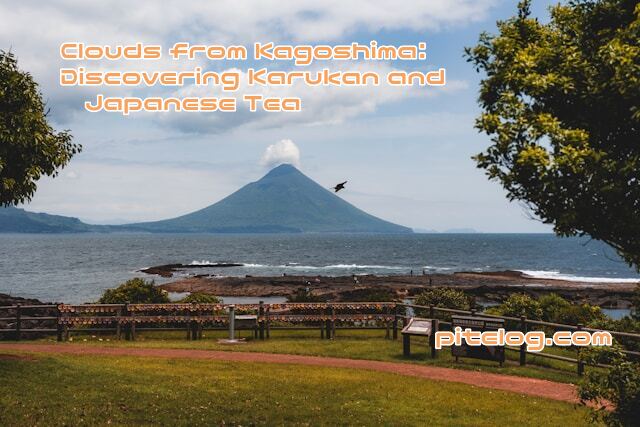
Clouds from Kagoshima: Discovering Karukan and Japanese Tea
Bonus Japanese Phrase
「甘さ控えめですね。」
(Amasa hikaeme desu ne.)
“It’s pleasantly not too sweet.”
A perfect phrase when enjoying traditional Japanese sweets with locals.
♱⋰ ⋱✮⋰ ⋱♱⋰ ⋱✮⋰ ⋱♱⋰ ⋱✮⋰ ⋱♱⋰⋱✮⋰⋱
【一度は食べるべき鹿児島の銘菓!軽羹ってどんな和菓子?】